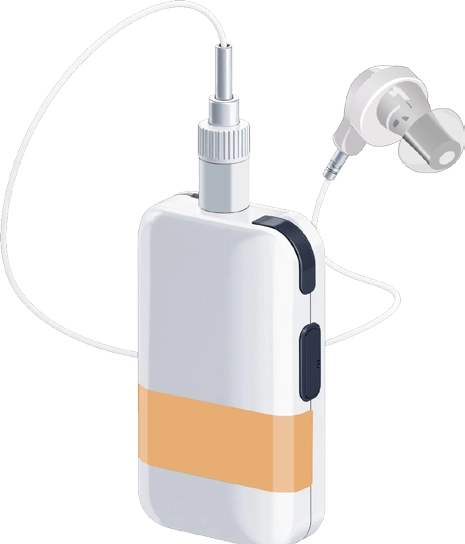
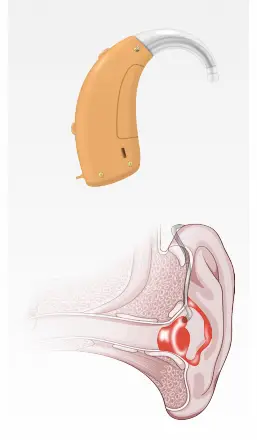
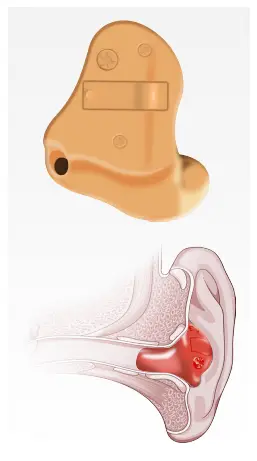
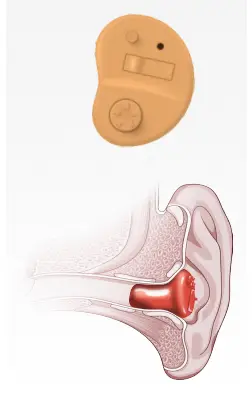
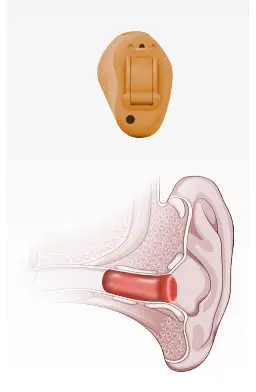
Nowadays, Bluetooth technology has been widely used in various fields, and the hearing aid industry is no exception. For example, the Bluetooth technology we often use been well applied to hearing aid products, bringing more convenience and practicality to the user experience. Many functions that could not be realized in the past have now been realized through technology. The Bluetooth function of the hearing aid is the biggest change in the function of the hearing aid in recent years. The advantages of Bluetooth hearing aids Bluetooth hearing aids integrate Bluetooth functionality, allowing wireless connection to your mobile phone or television. This is a very convenient feature for hearing aids. With Bluetooth hearing aids, mobile phone or television signals are transmitted directly to the hearing aid via radio (Bluetooth), and the effect is very good, with no distortion and no loss of signal. Bluetooth-enabled hearing aids can be wirelessly programmed, connected to mobile phones to make calls and listen to music, connected to wireless microphones to achieve long-distance communication and communication, wirelessly connected to televisions, etc., watching TV will not affect others, making listening clearer. Moreover, Bluetooth hearing aids can also be wirelessly connected to debugging software, making it more convenient to debug hearing aids. Real-time APP connection Bluetooth functionality is not just about connecting hearing aids to your phone, it also works in conjunction with a Bluetooth hearing aid app, which allows you to control your hearing aids from your phone at any time and anywhere. However, some Bluetooth hearing aid models or brands have their own app applications, which can fully leverage the advantages of Bluetooth functionality. Solving the problem of making phone calls The problem of unclear and inconvenient phone calls has been solved. The hearing aid only needs to be paired and connected with the mobile phone’s Bluetooth. When there is an incoming call, the Bluetooth hearing aid becomes a wireless Bluetooth headset, avoiding the feedback phenomenon of the hearing aid. Solving the problem of watching TV The Bluetooth headset can effectively reduce the attenuation of sound. Some deaf users like to watch TV, but ordinary hearing aids are still not very effective. Now that there is a Bluetooth hearing aid, you can pair it with a TV box for watching TV. After matching, the sound in the TV is directly transmitted to the hearing aid, which improves the listening effect and does not affect the family watching TV. Realizing long-distance transmission Bluetooth hearing aids can achieve long-distance transmission, with no attenuation of sound transmission, good transmission stability, clearer and more comfortable sound, less signal interference, and can be connected with wireless accessories for use. It can be connected with a wireless microphone, and the microphone can directly receive the language signal, which can achieve long-distance conversation, such as conversation places such as meetings and classrooms. Connect your phone to listen to music and scroll through videos Bluetooth hearing aids can connect to your phone via wireless Bluetooth function, which can better answer calls, watch videos, listen to music, etc. For deaf people who love music and like to listen to songs and scroll through short videos, this function is extremely friendly to them, and there is no need to worry about it. Reduce interference from the surrounding environment Wireless Bluetooth technology can effectively reduce interference from the surrounding environment. We can connect the hearing aid to Bluetooth and choose to attenuate the microphone function, so we only hear the signal sound from Bluetooth, and block other interference sources. With the increasing demand for telephone communication, video chat, watching TV, browsing short videos and other behaviors deeply into everyone’s life, our demand for hearing AIDS will also change. Therefore, when the existing hearing AIDS can not meet the above behaviors, you can consider using a wireless hearing AIDS, through the wireless connection between hearing AIDS and devices, so that listening effects are better. However, no matter how convenient the wireless Bluetooth function of the hearing aid is, it is not perfect and still has shortcomings, such as high price, fast power consumption, model restrictions, unstable signals and so on. In fact, wireless Bluetooth hearing AIDS are not the needs of all hearing aid users, users can choose according to their own actual situation, believe that in the future, the wireless Bluetooth technology of hearing AIDS will be better and better.